

Finland gave him safety. He gave it violence.
Milan Jaff’s story isn’t just about one criminal — it’s about what happens when a country’s kindness turns toxic.
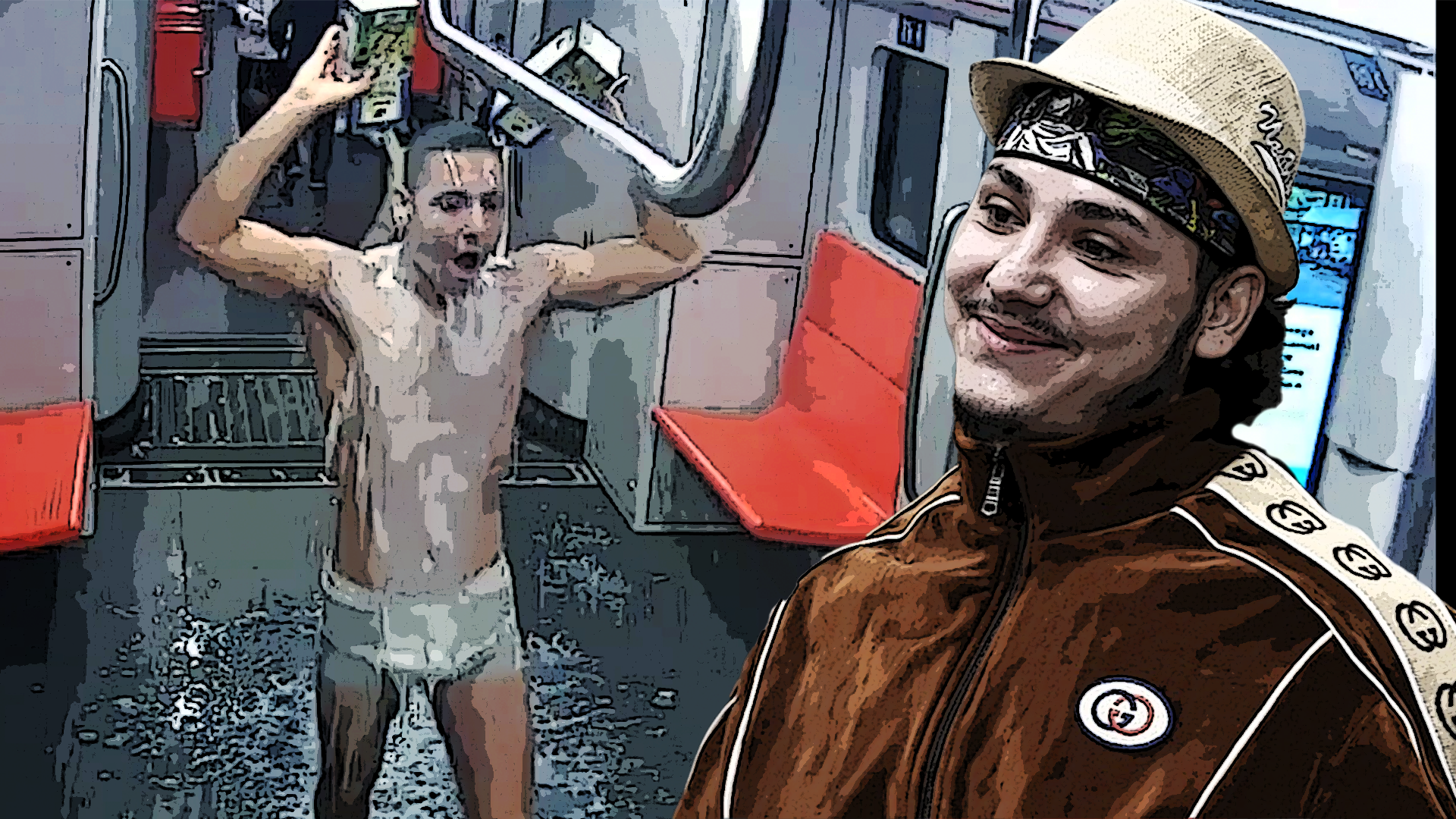
A Gift Turned into Betrayal
Milan Jaff is an Iraqi-born immigrant who moved to Finland at the age of sixteen — alone. Instead of taking the incredible opportunity he was given, he chose a life of crime. A life that earned him widespread hatred in this country.
From rape to attempted murder — and a string of other crimes — he’s done it all.
He arrived in Finland in 2017 on the basis of subsidiary international protection. That means the Finnish Immigration Service may grant you a residence permit even if you don’t fully qualify for asylum — as long as your risk of bodily harm in your home country is deemed credible. You could call it an act of kindness. You’re not quite a refugee, but you’re still being looked after.
Another part of this protection, as I understand it, is that it has to be renewed every year. Each year, the authorities re-evaluate whether the reasons for protection still apply.
Today, Jaff is sitting in prison, and the Finnish Immigration Service has ordered his deportation back to Iraq. Online, many are celebrating the decision. People were simply done with his antics.
He made rap music glorifying gang life — and lived exactly the kind of life he bragged about. In 2023, he was charged and found guilty of rape, and aggravated rape of a child — a thirteen-year-old. Photos from the hearing show him smiling, smug, completely unremorseful. He looked almost proud of what he’d done.
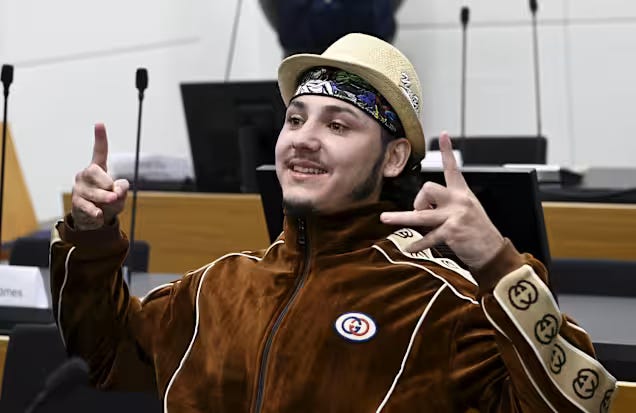
So you can imagine the rage people felt — not just toward him, but toward a system that allowed him to be here in the first place. Finland already has problems. It doesn’t need to import more.
The System That Couldn’t Protect Itself
One massive question remains: how did it take this long for deportation to even be on the table? He was brought to Finland to be protected from bodily harm in Iraq. But what happens when such a person consistently inflicts bodily harm on others — the very people who gave him safety?
What’s even more outrageous is that his protection status isn’t automatic — it has to be renewed every single year. Meaning that every year, someone looked at his record, saw what he was doing, and still decided to renew it. The system had a built-in opportunity to fix the problem — yet somehow, it kept approving him. How does someone like that not instantly lose protection and get kicked out?
He’s currently serving ten years in prison for leading an organised criminal group — the so-called Kurdish Mafia — responsible for multiple violent incidents around Helsinki. Think about that: a Kurdish Mafia. In Finland.
When Countries Import Conflicts
This is one of those uncomfortable truths about immigration that we cannot afford to ignore. If a country isn’t careful about who it lets in, it will eventually import other nations’ conflicts.
And when that happens — when a country imports another’s problems — those same divisions don’t magically disappear. They just move to new soil. You see it across Europe.
When tensions between India and Pakistan rose, the UK grew nervous — with large communities from both sides, they feared those tensions would spill onto British streets. You see the same thing with Israel and Palestine. European countries with large Muslim populations host the biggest anti-Israel protests. These demographic realities start influencing politics — even shaping what governments dare to say.
In the UK, they now talk openly about the “Muslim vote” — a bloc that can sway elections and bend policy. It’s creating real tension in the country.
What starts as cultural tension eventually spills over into violence. Sweden is proof of that — it’s now facing a gang-violence epidemic it can barely contain.
Sweden’s Lesson — and El Salvador’s Example
One of the most notorious networks is Foxtrot, led by Rawa Majid — nicknamed The Kurdish Fox. His family moved to Sweden when he was a baby. Now he’s wanted internationally for drug trafficking and murder. He bought Turkish citizenship to avoid extradition and now lives comfortably there, running his Swedish network from abroad. Turkey refuses to hand him over. How they’re still in NATO is beyond me.
Now organised crime has become part of daily life in what was once one of the safest countries on Earth. And it’s not the only network tied to foreign actors. Sweden let the cancer grow out of empathy — and now it has metastasised. They don’t know how to kill it.
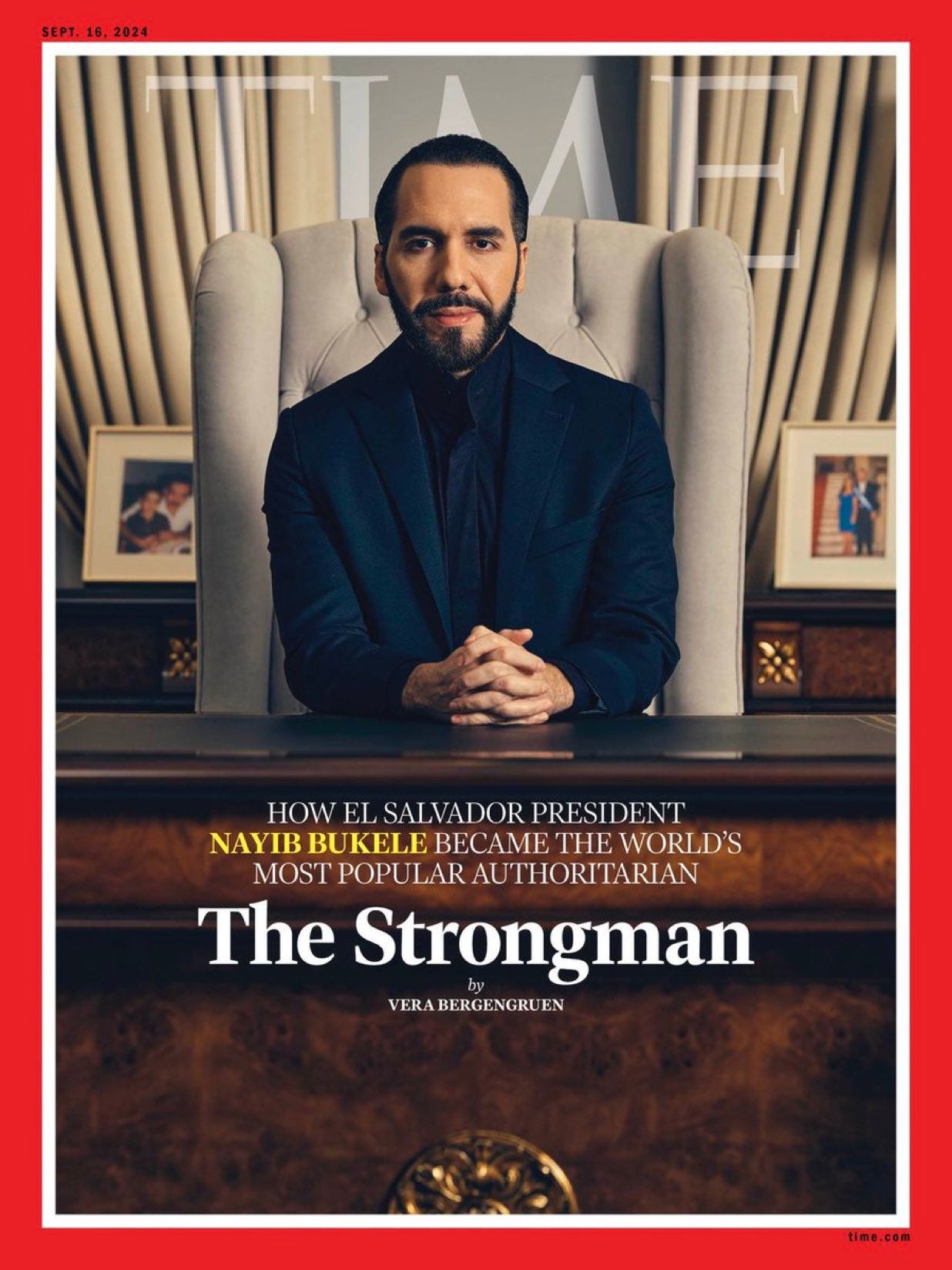
The only cure left is radiation. El Salvador is a perfect example. Before President Nayib Bukele decided to go to war with the gangs, the gangsters ruled the country. People were killed, abducted, and extorted daily. Ordinary citizens lived in fear. It was one of the most dangerous places on Earth — and during all that, humanitarian groups were silent. No one came to help them.
But the moment the government finally fought back — hard — those same Western organisations suddenly found their voices. They rushed to condemn El Salvador for human-rights violations.
Bukele said it best: “Where were all these humanitarian organisations when our people were being gunned down in the streets? Where were they when our children were being kidnapped and murdered? It’s only now, when we finally have peace, that they care.”
That’s what I mean by suicidal empathy — a compassion so misplaced it ends up protecting the wicked instead of the innocent. It’s the disease of the modern West: we think kindness is the highest virtue, even when it puts the people we love in danger. We’re terrified of being called racist, even when it’s completely untrue.
The Danger of Over-Explaining Evil
When I look at someone like Milan Jaff — a criminal who’s harmed people — I notice a tendency to over-analyse. We keep looking for reasons behind evil, as if every monster must have a tragic backstory or a medical label to excuse it. But sometimes the truth is simple: he made bad choices, he hurt people, and now he must face the consequences.
Of course, there’s nuance too. Some people do come from regions ravaged by war, where trauma and violence are normal. Some do struggle with mental health. But even so, it makes one thing clear: Finland — and other European countries — must be ruthless about who they let in, and just as ruthless about who they remove.
Those who come here should contribute — not consume. They must buy into this culture, want to protect it, and see it prosper. You don’t have to be ethnically Finnish to love this country. Anyone can learn to love it — and be a blessing to it — if they choose to.
But that’s only possible if they don’t carry ideologies that make that love impossible.
Home Is Worth Defending
I get a lot of heat for saying things like this. People call me a traitor to immigrants. That’s the problem right there — “immigrants” are not a monolith. We’re not a single people.
Yes, I came from a different country. But this is my home, and I want to protect it. I don’t care who you are — if you’re against Finland, then I’m against you.
That’s the real point of the Milan Jaff story. He was given an opportunity millions would die for. Instead, he chose to be a gangster — from rape, to attempted murder, to public menace.
I have zero sympathy for him. All my sympathy goes to the people he hurt.
If this story serves any purpose, it’s to remind Finland what happens when it lets its guard down.
Watch the Youtube video HERE