

The Burka and Niqab are not just clothing. In many places, they are tools of control — symbols of women being erased. The question is whether Finland has the courage to draw a line before it’s too late.
Asking the Question
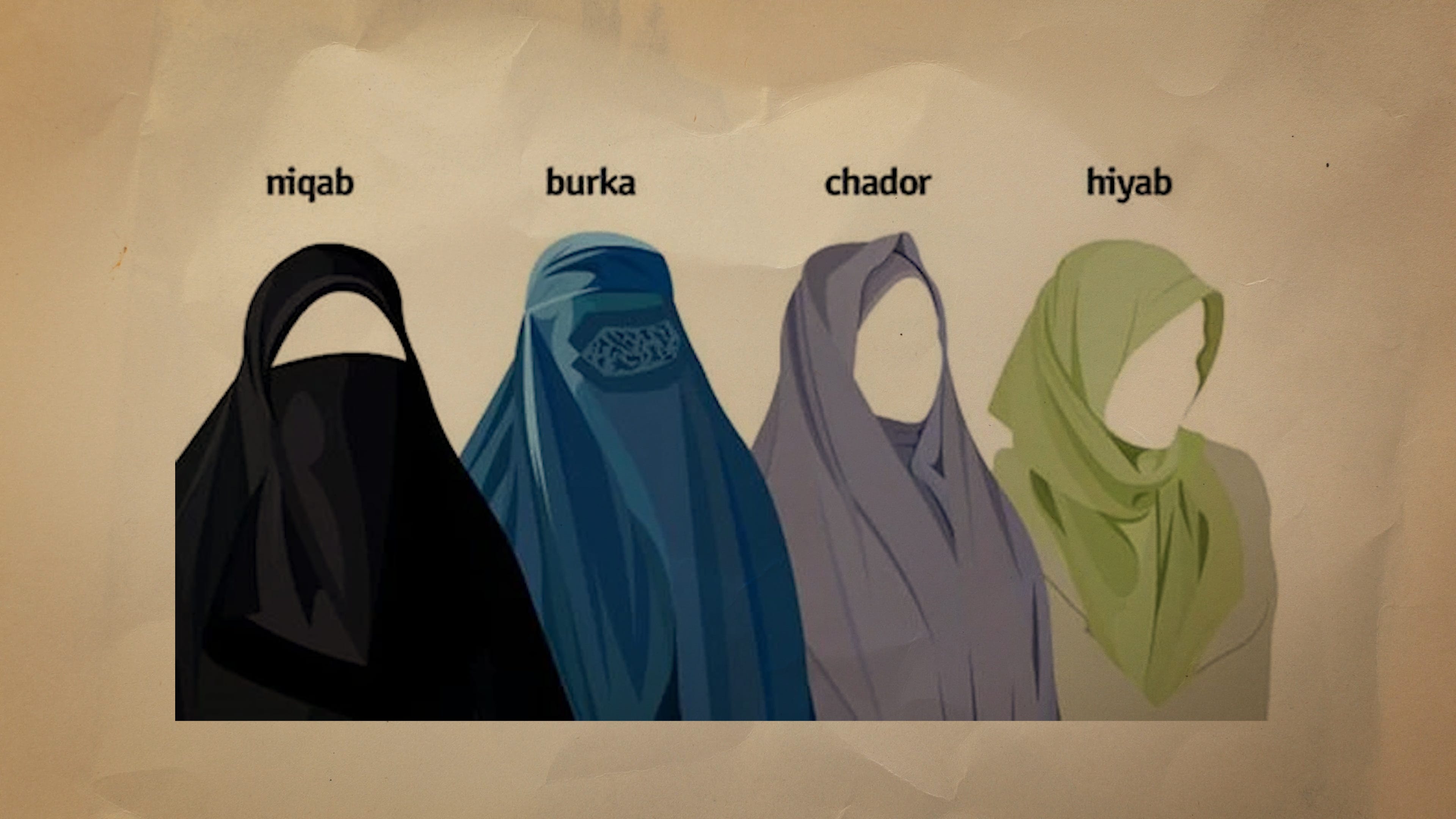
Should Finland ban the Burka? The Niqab? The Chador? And while we’re at it — what about the Hijab?
To some, even asking that question is “hateful” or “Islamophobic.” But it’s not. It’s a question about culture, values, and the kind of country Finland wants to be in the future. It’s the difference between protecting our future or sleepwalking into a crisis. If we can’t even talk about this, then Finland has already chosen comfort over courage — and once a nation does that, it never ends well.
My Position
Here’s where I stand. The Burka and the Niqab should be banned outright. No hesitation. For security reasons, for social cohesion, and for women’s rights. Even if hardly anyone wears them today, that’s no reason to ignore the issue. Because small issues left unchecked become big problems.
They add nothing to Finland — in fact, they undermine what the country stands for. If your religion requires that even a woman’s face must disappear from public life, then in a country like Finland, it’s your religion that needs to adapt or moderate. Not the country’s responsibility to change. We don’t have to be apologetic about that.
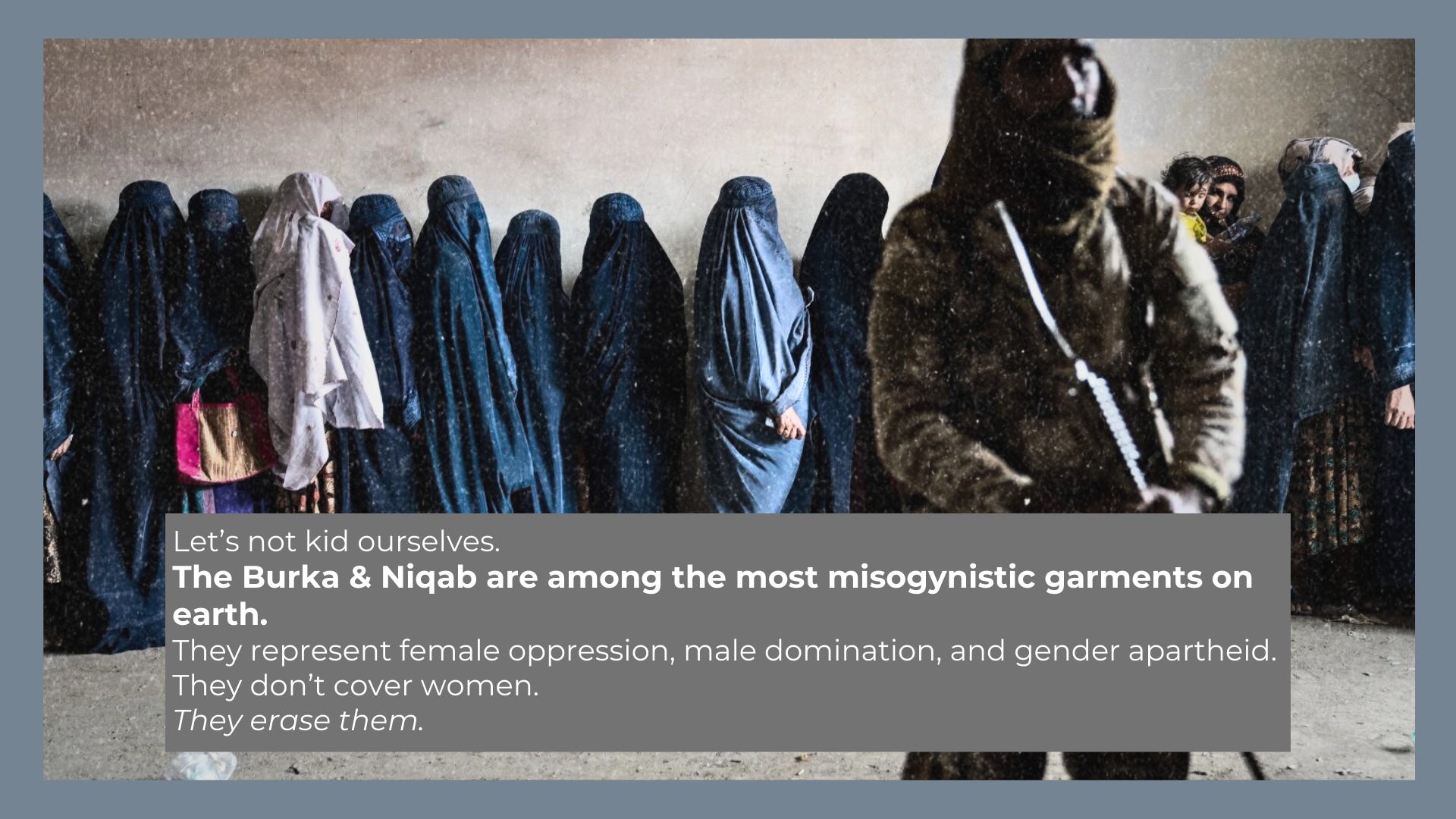
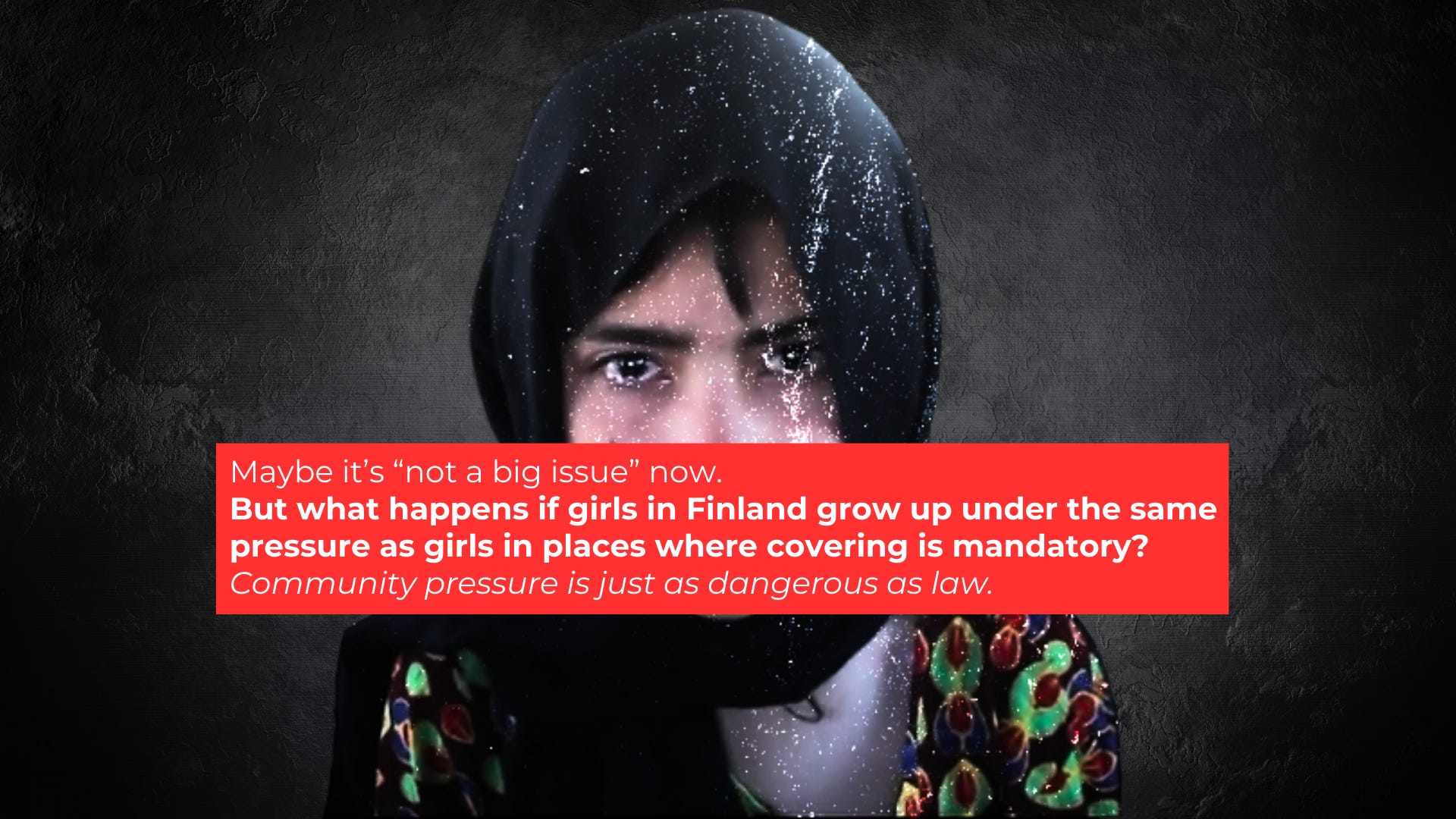
But I don’t think every head or face covering needs a total ban. With the Hijab or the Chador, restrictions — in some cases — make sense to me. Schools. Certain jobs. Spaces where communication and trust matter. I’ve seen young girls that couldn’t be older than 12 wearing Hijabs. Was that really their choice? Or are they already subject to the same type of social pressure placed upon women in countries that are backward in the way they treat women? Perhaps we need to be looking at age restrictions for some of the others.
Freedom vs. Endorsement
Because yes — freedom of religion should and does exist. No one should be harassed for what they choose to believe in. Ever. But freedom doesn’t mean endorsement. Finland doesn’t need to celebrate coverings as “diversity.” That’s a slippery slope.
Symbols of Oppression Abroad
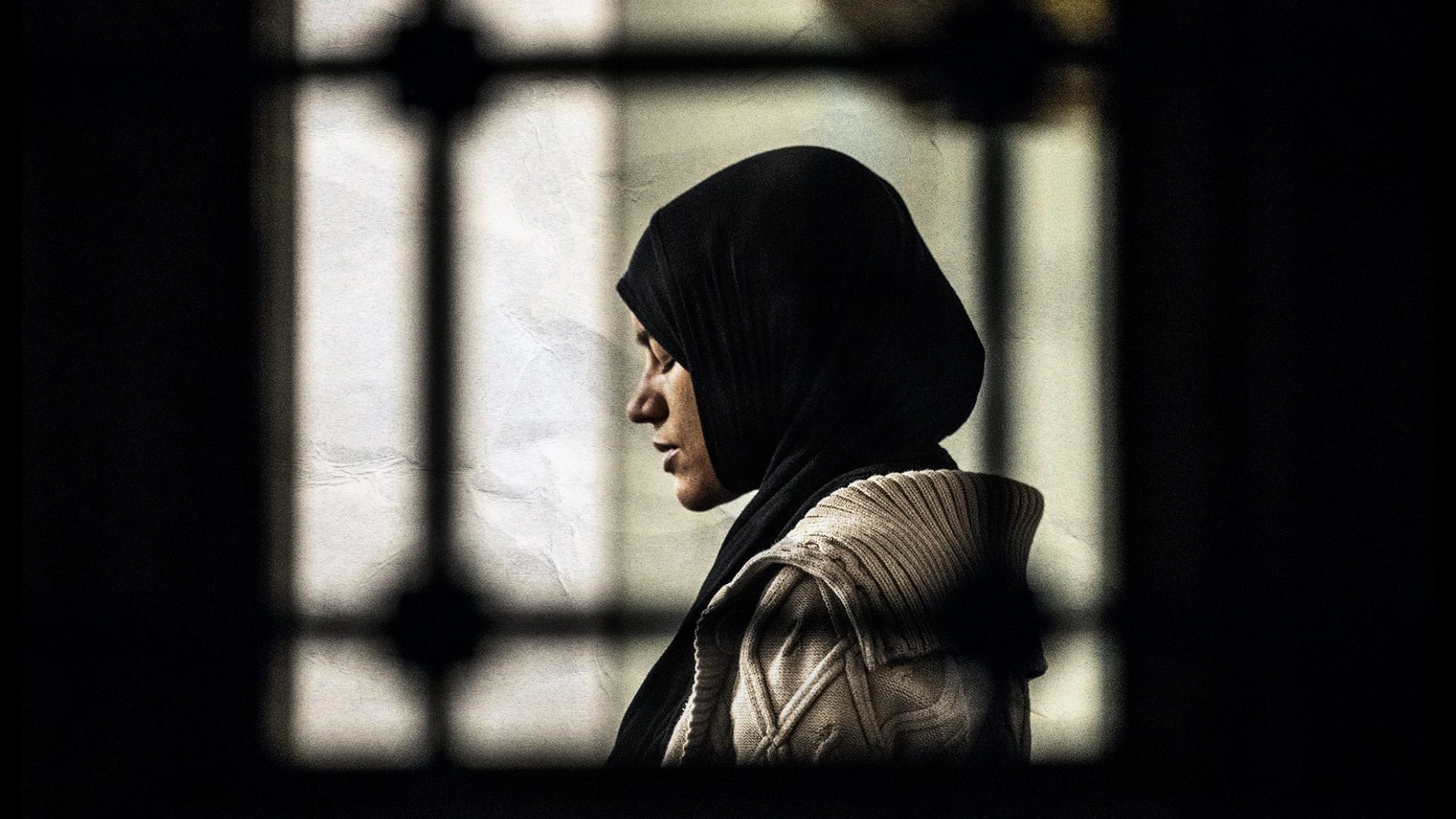
And let’s not forget what these garments symbolize elsewhere. They are not neutral. In Iran, women risk prison or death for resisting the Hijab. In Afghanistan, the Burka is a prison. Women are not allowed to speak. Their voices are gone. They are powerless. Across the Middle East and Africa, these garments are the uniform of gender apartheid.
Is this what Finland wants to co-sign and endorse? For the sake of “diversity,” are we willing to ignore this horror? Are other people’s chains now a fashion accessory? Something to be marketed as “empowerment” in the West? That’s not diversity. That’s a disturbing perversion of truth.
The Risk for Finland
So forgive me for having reservations about how these garments take root here — and the message Finland sends by being too afraid to confront the issue head on.
What happens when — or if — wearing a Burka or even a Hijab stops being a choice for girls growing up in Muslim communities in Finland? How do we know they’re free, when community pressure is one of the most powerful forces in the world? How would we even deal with that? Will we shrug and say, “It’s their culture”? Or will Finland, one of the most equal countries on earth, actually take a stand?
Learning From Others
Finland is lucky to be “late to the party” at times. Because we can look at other countries, see their mistakes, and make better choices. Other European countries are already dealing with this issue on a much larger scale. But it’s not only them.
Look at the evidence. Even Muslim-majority countries have taken steps. Tunisia, Morocco, and Algeria have all restricted the Burka in different ways — from banning it in government offices to removing it from workplaces and shops. Uzbekistan went even further, passing a law that bans full face coverings in public altogether.
And in Europe? Finland would hardly be the first to ban or restrict the Burka. Around a dozen countries have acted — France, Belgium, Denmark, Switzerland, Bulgaria, Norway, the Netherlands, and others. Some bans are total, others partial, but the point is the same: they all recognized that face coverings don’t fit with their values or their way of life.
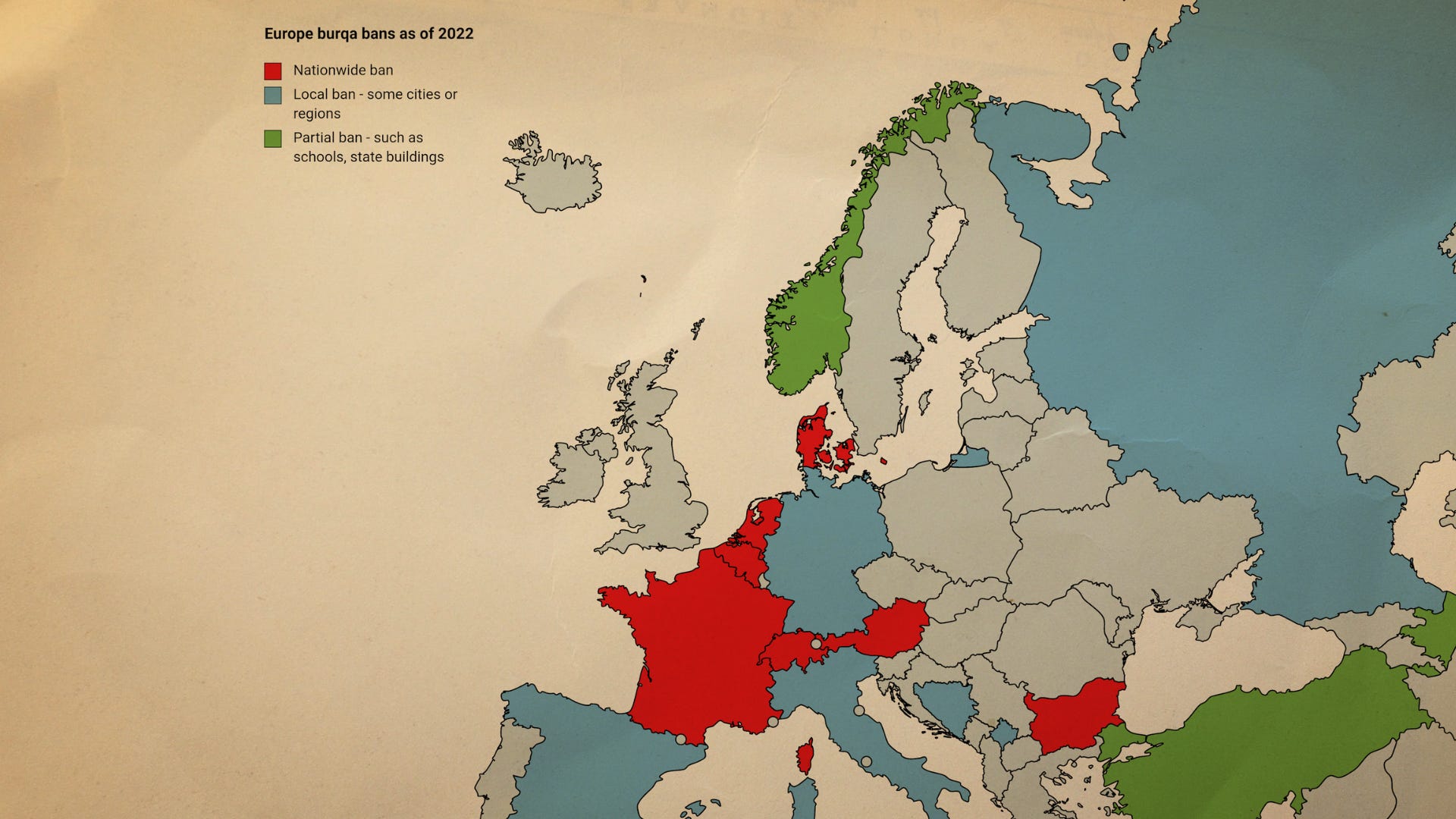
These are not fringe states. These are mainstream democracies — and even Muslim societies. They all came to the same conclusion: some practices don’t fit. Just because something is “diverse” doesn’t mean it’s good.
Answering the Counterarguments
Now, what are the arguments against bans or restrictions? Three, usually.
It’s Islamophobic.
It’s undemocratic.
It’s not important, and we shouldn’t worry about it.
Here’s why I disagree.
Is it Islamophobic? No. Finland already welcomes Muslims. This is not about rejecting people — it’s about rejecting practices that contradict our values or erode social cohesion.
Is it undemocratic? No. Democracy isn’t chaos. It’s freedom protected by rules. You can’t drive 150 km/h on the highway. Driving without a seatbelt is illegal — even if some could argue that it ought to be a personal choice. Laws exist so freedom doesn’t eat itself alive. They create the boundaries that make society safe.
And what about when people say it’s not important? Wrong again. Culture is everything. It’s the glue that holds a society together. Ignore it, and society cracks — and eventually crumbles into the chaos of lost national identity.
Why Finns Feel Uneasy
That’s why many Finns feel uneasy when they see certain coverings, especially in growing numbers. Not because they hate any religion or people, but because it looks like a refusal to integrate. Like someone walking into Finland holding up a sign saying: “We live here, but we will not live as you live.” What people wouldn’t feel some way about that?
The Real Danger
And here’s the real danger: if Finland can’t show clarity on these small contradictions, how will it ever show strength on bigger ones? If every cultural clash gets brushed aside as “just diversity,” the foundation weakens. You don’t see the cracks right away. But one day, the wall gives way. And then it’s too late.
The people will start feeling like their values are secondary to the will of foreigners. Look at the UK. Many ordinary people now feel their culture is an afterthought — because leaders were too timid to draw lines early on. Finland doesn’t need to make the same mistake. We can see where that road leads, and we can take the off-ramp before it’s too late.
The Bottom Line
This country must never be ashamed of what it has built. Freedom. Equality. Trust. Fairness. These are not decorations — they are the foundation. They must be protected and promoted above all else. This is one of the best and safest places to live. If someone doesn’t like the way we live here, they can always move. It’s a free world.
People who move here and add to society should be welcomed. But assimilation is not optional. Everyone can pray how they like, believe what they like, practice their religion — but only if it doesn’t contradict the fundamental values of this country.
The Burka and Niqab are one test. There will be others. And each time Finland hesitates, the cost grows.
This is not about fabric. It’s about Finland’s courage. Does this country have the backbone to defend itself culturally? Or will it trade strength for the cheap comfort of being liked?
Because the day Finland stops defending its own values is the day Finland stops being Finland. And that would be the greatest loss of all.
If you enjoyed reading this, you might enjoy watching the Youtube video HERE