

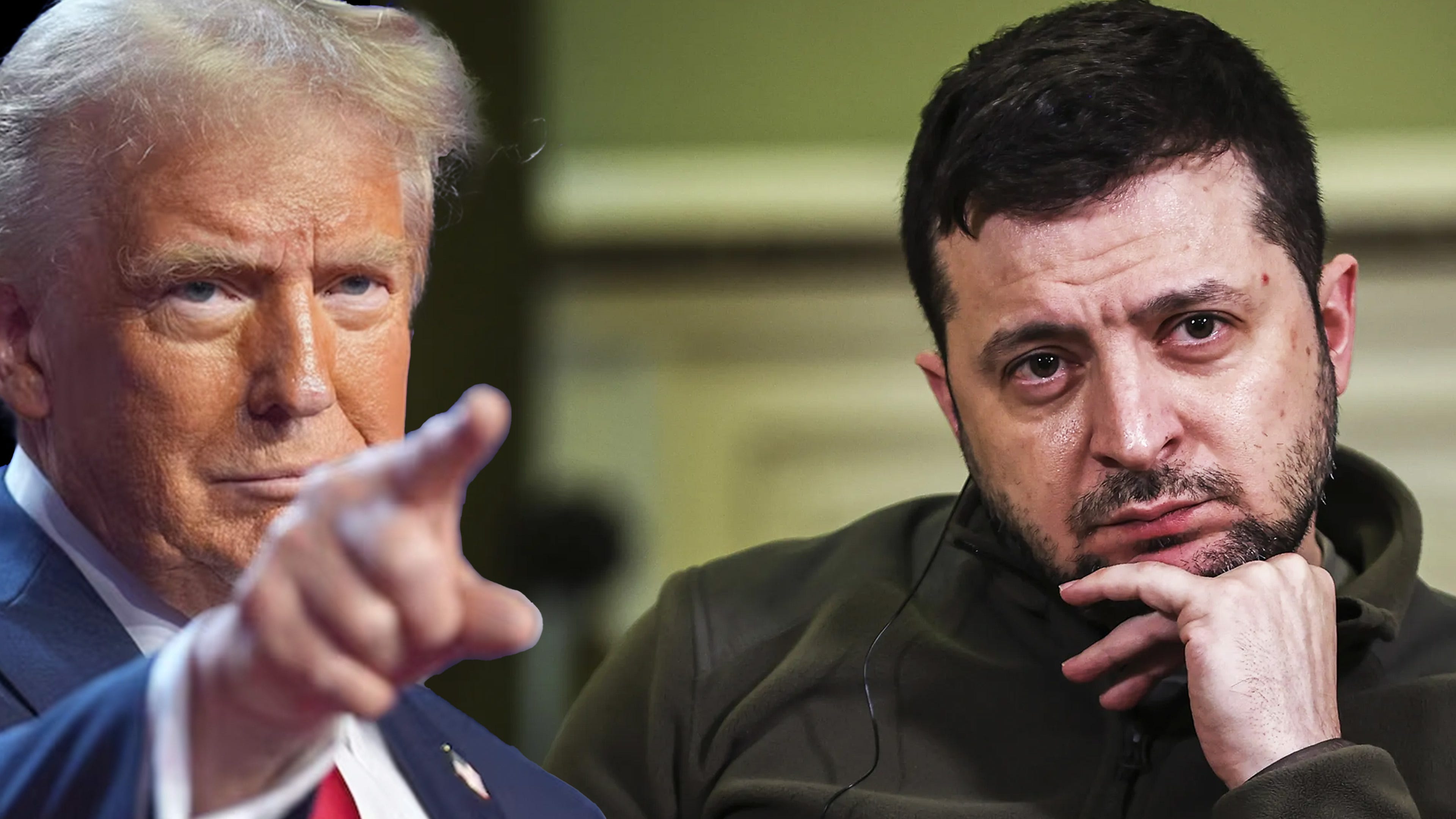
When Russia launched its brutal invasion of Ukraine, the world watched in shock. What was expected to be a swift victory for one of the world’s largest militaries turned into a grueling war of resistance. Three years later, Ukraine still stands. Yet, shockingly, the victim has been increasingly demonized, blamed as though it is an equal participant in the violence.
Let’s frame it differently. If you are walking down the street and someone attacks you with the intent of taking everything you own, are you equally to blame if you fight back? What if your attacker is bigger and stronger? Are you foolish for not handing over your possessions?
This absurd reasoning has seeped into political discourse. Some argue Ukraine provoked Russia, or that the war is an inevitable consequence of NATO expansion. These are narratives rooted in ignorance or disinformation.
A Divided West
The rhetoric coming out of the United States has been particularly confusing. On one hand, America has provided Ukraine with crucial military aid, helping stave off Russian domination. On the other hand, leading figures like Donald Trump and certain conservative voices have suggested Ukraine was unwise to fight at all. More baffling, Trump recently lied about Ukrainian President Volodymyr Zelenskyy, calling him a dictator. This is outrageous and deeply disturbing. Zelenskyy leads a democratic nation fighting for its survival, while Trump casually undermines him with baseless accusations.
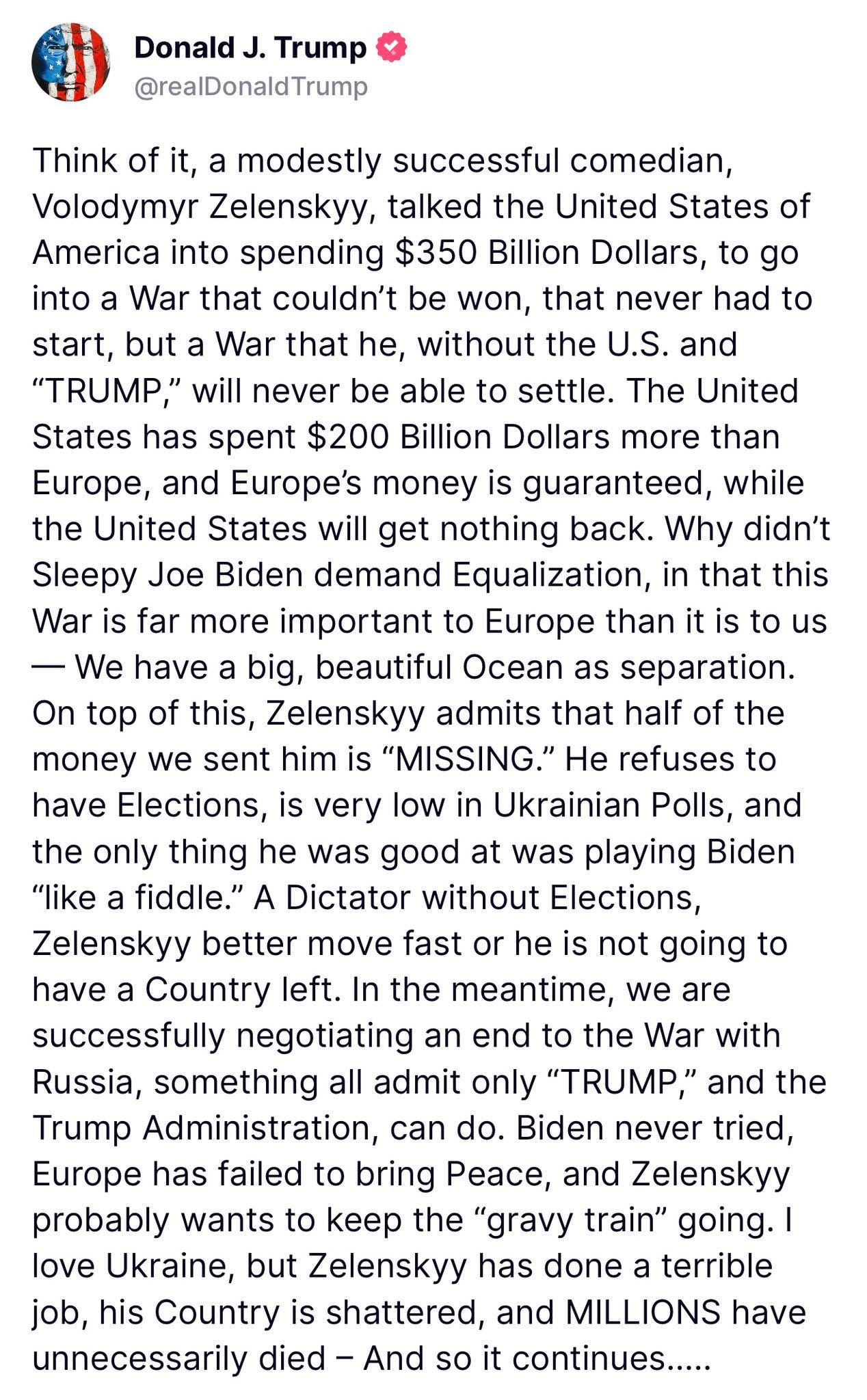
Adding to the confusion, some American politicians publicly declare what they will not do to aid Ukraine, effectively signaling to Putin that certain lines won’t be crossed. This is a bizarre strategy for any negotiation. If you can even call it a negotiation.
To be clear, not wanting to be overly involved is a reasonable position for the U.S. It’s the messy, often contradictory way this stance is communicated that raises eyebrows. Announcing limits before negotiations is the opposite of strength.
Europe’s Role
Ultimately, this is not a burden America should shoulder alone. Europe is the region most affected by Russian aggression. History is littered with examples of Russian expansionism. From the Tsarist empire to the Soviet Union and now modern Russia, the goal has been consistent: dominance over its neighbors.
NATO membership has proven to be the one reliable shield. No NATO country has been invaded. Those who joined found stability and security. Ukraine, left in the gray zone between Russian influence and Western integration, has been punished for aspiring to freedom.
Despite this, Europe was slow to recognize the threat. After Russia annexed Crimea in 2014, NATO and the EU largely returned to business as usual. Germany and other nations continued relying on cheap Russian gas, fostering economic dependence on their greatest geopolitical threat.
The Current Shift
Russia’s full-scale invasion in 2022 was a wake-up call. Countries like Poland and the Baltic states had been warning about this for years. Finland and Sweden abandoned their long-held neutrality, joining NATO because they understood what was at stake. Russia had proven itself, once again, to be an untrustworthy and dangerous neighbor.
There are encouraging signs that Europe is taking this more seriously. Leaders across the continent are meeting with Ukrainian President Volodymyr Zelenskyy, discussing deeper cooperation. There is hope that these talks will lead to action, not just rhetoric.
Propaganda and Public Opinion
One of the most unsettling aspects of this conflict has been the effectiveness of Russian propaganda. Early on, even I found myself feeling oddly sympathetic towards Russia. Without realizing it, I had absorbed narratives suggesting NATO expansion was the root of the problem. Only when I began seriously researching the history and realities of Eastern Europe did I realize how wrong this view was.
Russian disinformation is subtle. It doesn’t scream lies; it nudges you toward doubt, playing on existing frustrations and fears. The goal is to erode Western unity and foster inaction.
The Truth is Simple
This war could end tomorrow if Russia withdrew its troops. Ukraine is not asking to conquer Moscow. It is asking to exist as a sovereign nation. The pressure should be on the aggressor, not the victim.
Telling Ukraine to surrender is easy. Confronting Russia requires courage. The world must decide whether it values freedom enough to stand with those who defend it.
Europe must step up. America can assist, but the ultimate responsibility lies with those who share a continent with Russian aggression. History has shown what happens when that threat is ignored.
Let’s hope this time, the lessons stick.
Watch the video version of this post HERE